
Colonial Frontier: Family Legacies
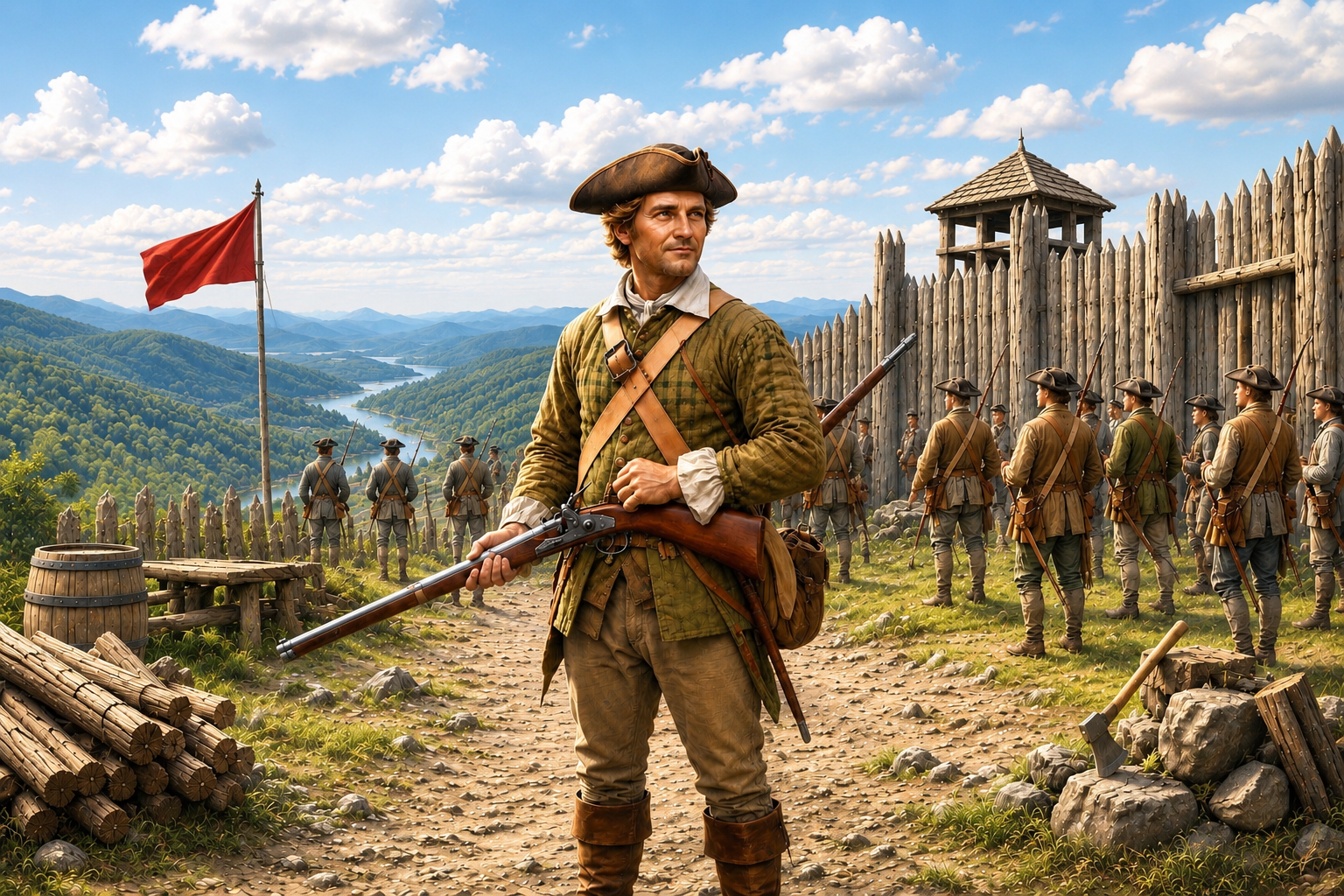
Artist’s historical illustration of Peter Hedrick (Sr.), based on documented family history and period sources.
Early American Generations
As America begins celebrating its 250th birthday, I've been reflecting on a remarkable frontier settler from my own family history. Not because he was famous, but because his story represents thousands of Americans whose courage helped build the new nation. Ordinary families cleared forests, built settlements, served in local militias, and helped establish communities on a dangerous frontier.
One of those men was my ancestor, Peter Hedrick (Sr.), an early settler of the Peaked Mountain region in the mid 1700’s, near today’s McGaheysville, Virginia. His story serves as a personal reminder of the frontier families whose perseverance shaped earliest America.
Serving to Protect Frontier
Peter’s legacy is not only about carving a new life from the land, but also a commitment to protecting his community. When tensions with Native American tribes escalated, he joined Captain Walter Crockett’s militia company during Lord Dunmore’s War in 1774. His name was officially recorded in the militia rolls, one of the earliest known Hedrick (Hendrick) records: standing as a testament to his service and dedication.
Role of the Virginia Militia
Following the French and Indian War, Virginia strengthened its militia system to safeguard its growing frontier settlements. Each county’s regiment was divided into companies of 20 to 80 men, each led by a captain. Peter served under Captain Walter Crockett (and also Doak’s) as part of the Fincastle County militia. These units played a vital role in defending settlers from constant threats, ensuring that frontier families could continue to build their homes and livelihoods.
Life on the Frontier
The militia had a crucial role in protecting farmers, scouting Native American raiding parties, and maintaining security across Virginia’s western territories. Life on the frontier was dangerous; and Peter’s participation in these efforts contributed to the survival of small, independent settlements. His willingness to serve reflects his character: steadfast, responsible, and dedicated to those around him.
Point Pleasant Campaign
One of the most pivotal military campaigns of this period was the Point Pleasant campaign in 1774. Peter’s company arrived after a rugged journey for the battle’s conclusion, highlighting the widespread mobilization and preparedness of Virginia’s militias. For years, the DAR and Sons of the American Revolution recognized this battle as one of the earliest engagements of the Revolutionary War. It symbolized the colonists’ resolve to defend their homes on the contested frontier.
Continuing Contributions
Peter’s service extended beyond his military role. His move to the Evansham area in Montgomery County in the 1770s reflected his continued involvement in expanding and settling Virginia’s frontier communities. His brother Charles also served in the Revolutionary War, while Peter himself contributed as an overseer of new roads, a role documented in Virginia records.
This story reminds us that America's early history was shaped by countless ordinary settlers whose contributions seldom appear in history books.
In appreciation, John
